
DESCRIPCIÓN
Diseñamos un ecosistema multitenant que unificó la operación digital de una red de 22 distribuidores sin resignar autonomía ni coherencia de marca.
EMPRESA:
Saphirus
CATEGORÍAS:
COMPARTIR


Saphirus
Una red de 22 distribuidores, cada uno con su propia operación. El desafío era escalarlos digitalmente sin que la solución se volviera más compleja que el problema.
Introducción
Saphirus es una marca referente en aromatización que opera a través de una red nacional de 22 Centros de Distribución Exclusiva (CDEs), cada uno con su propia dinámica comercial, foco territorial y base de clientes. El crecimiento sostenido del negocio llegó a un punto en que la expansión digital dejó de ser opcional, pero también planteó una tensión concreta: ¿cómo escalar la presencia online de todas esas operaciones independientes sin triplicar el trabajo, sin fragmentar la marca y sin construir una infraestructura imposible de mantener?
El problema
El pedido inicial fue directo: "Necesitamos clonar el ecommerce actual 22 veces, uno para cada CDE." Era una solución lógica a primera vista. El problema es que no era sostenible. Cada cambio en el catálogo, en las condiciones de envío o en la experiencia de compra debía replicarse manualmente en más de dos decenas de sitios. El mantenimiento crecía de forma exponencial. La identidad de marca tendía a desviarse a medida que cada CDE adaptaba su canal por su cuenta. Innovar, en ese esquema, se convertía en un proyecto de coordinación antes que en un proyecto tecnológico. El riesgo real no era técnico: era que la digitalización, en lugar de escalar el negocio, se convirtiera en una nueva fuente de fricción operativa.
La solución
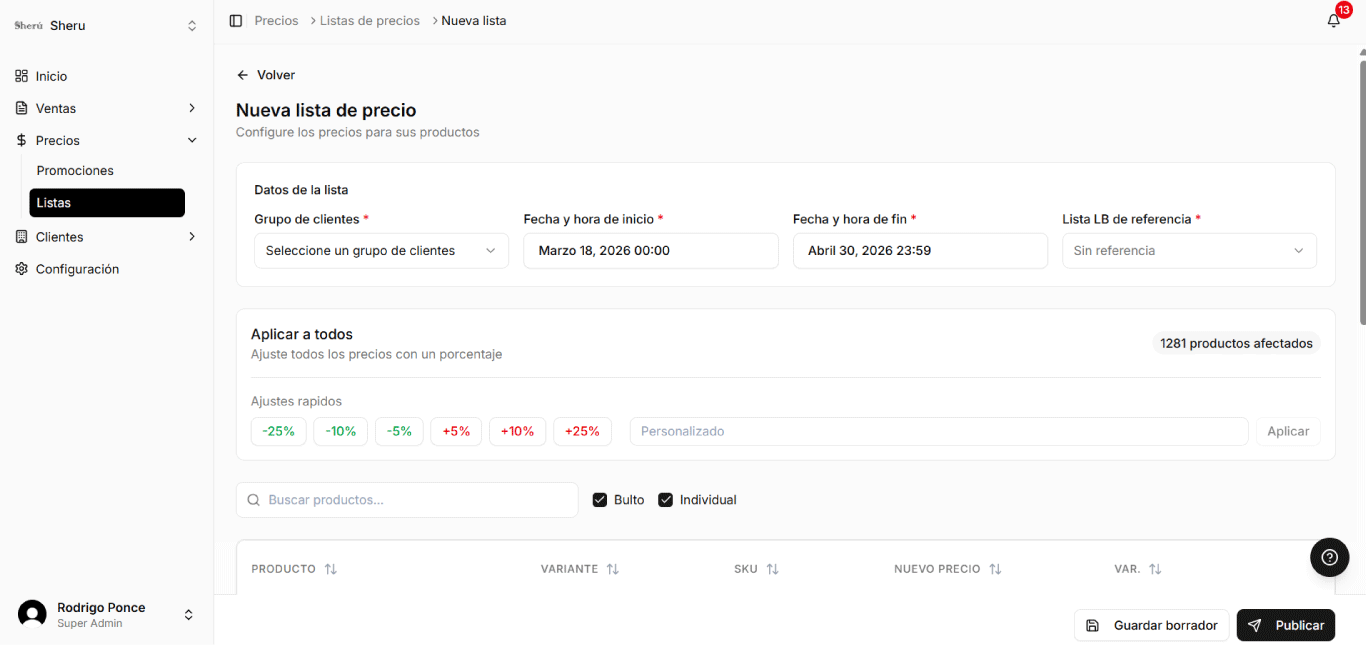
El primer trabajo fue reformular el problema. Antes de pensar en cuántos sitios construir, analizamos qué tenían en común esos canales y qué necesitaba ser diferente en cada uno. Esa pregunta definió la arquitectura: diseñamos un ecosistema multitenant donde todos los canales comparten una base tecnológica común pero operan de forma completamente independiente.
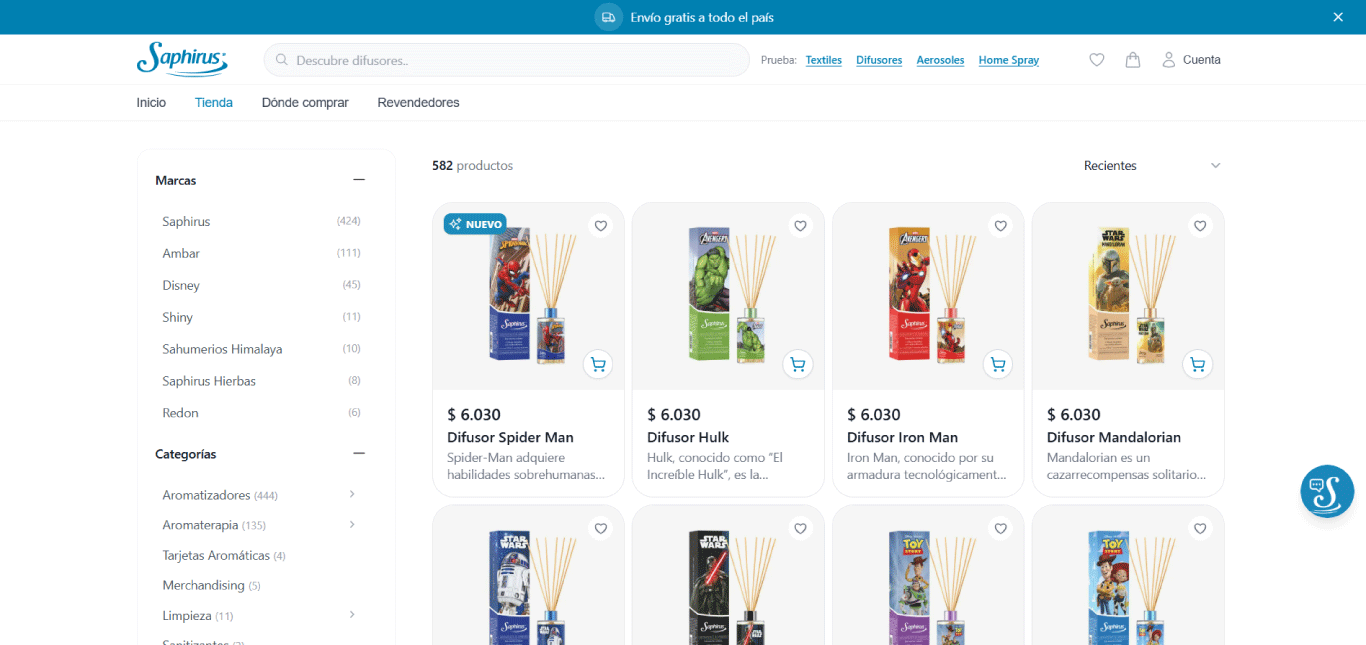
En la práctica, cada CDE y el canal propio de Saphirus cuentan con su dominio, su identidad visual, sus reglas de negocio y su autonomía para gestionar promociones, medios de pago y políticas de envío, sin interferir con los demás. Al mismo tiempo, la información de producto, las fichas, las imágenes y los atributos se gestionan una sola vez y se reutilizan en toda la red. Lo que cambia entre canales es la capa comercial; lo que se comparte es todo lo que no necesita ser distinto.
La plataforma contempló desde el inicio los dos modelos operativos del negocio: flujos B2B con cotizaciones, negociación y órdenes, y flujos B2C autogestionados. Integramos los sistemas existentes, incluidos ERP, pasarelas de pago y logística, y construimos sobre una arquitectura modular preparada para crecer sin rediseños estructurales. Todo el ecosistema estuvo operativo en tres meses.
Resultados
Eliminación de retrabajo operativo. La información de producto se administra una sola vez y se propaga a todos los canales, eliminando la duplicación de carga que hacía inviable cualquier actualización a escala.
Coherencia de marca en toda la red. Fichas, imágenes y descripciones se mantienen alineadas en todos los canales sin depender de coordinación manual entre CDEs.
Autonomía real para cada distribuidor. Cada CDE gestiona su canal, lanza promociones y configura su operación sin necesidad de intervención técnica externa.
Escalabilidad sin fricción. Incorporar un nuevo CDE o abrir un canal adicional no implica construir un nuevo sistema: se suma al ecosistema existente con la base ya resuelta.
Implementación en 90 días. Un ecosistema de canales digitales B2B y B2C, integrado con los sistemas existentes de la empresa, operativo en tres meses desde el inicio del proyecto.
Conclusión
El caso de Saphirus ilustra algo que aparece en distintas formas en empresas con redes de distribución: la solución obvia no siempre es la correcta. Clonar un sistema para cada distribuidor es técnicamente posible; lo que no es sostenible es todo lo que viene después. Cuando reformulamos el problema junto al cliente, el resultado fue una arquitectura que escala con el negocio en lugar de crecer en contra de él.